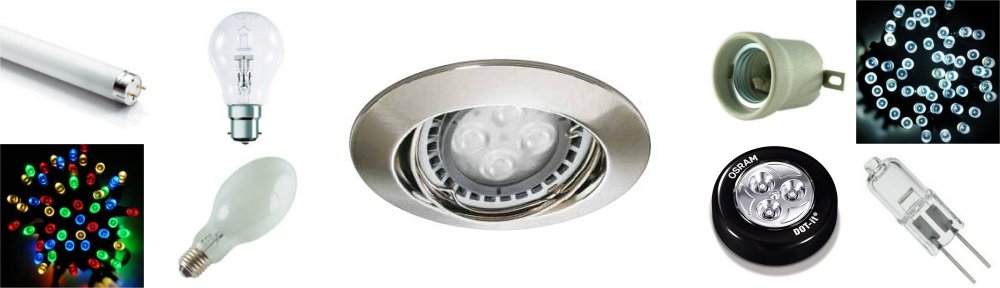
MR16s to be banned in 2013

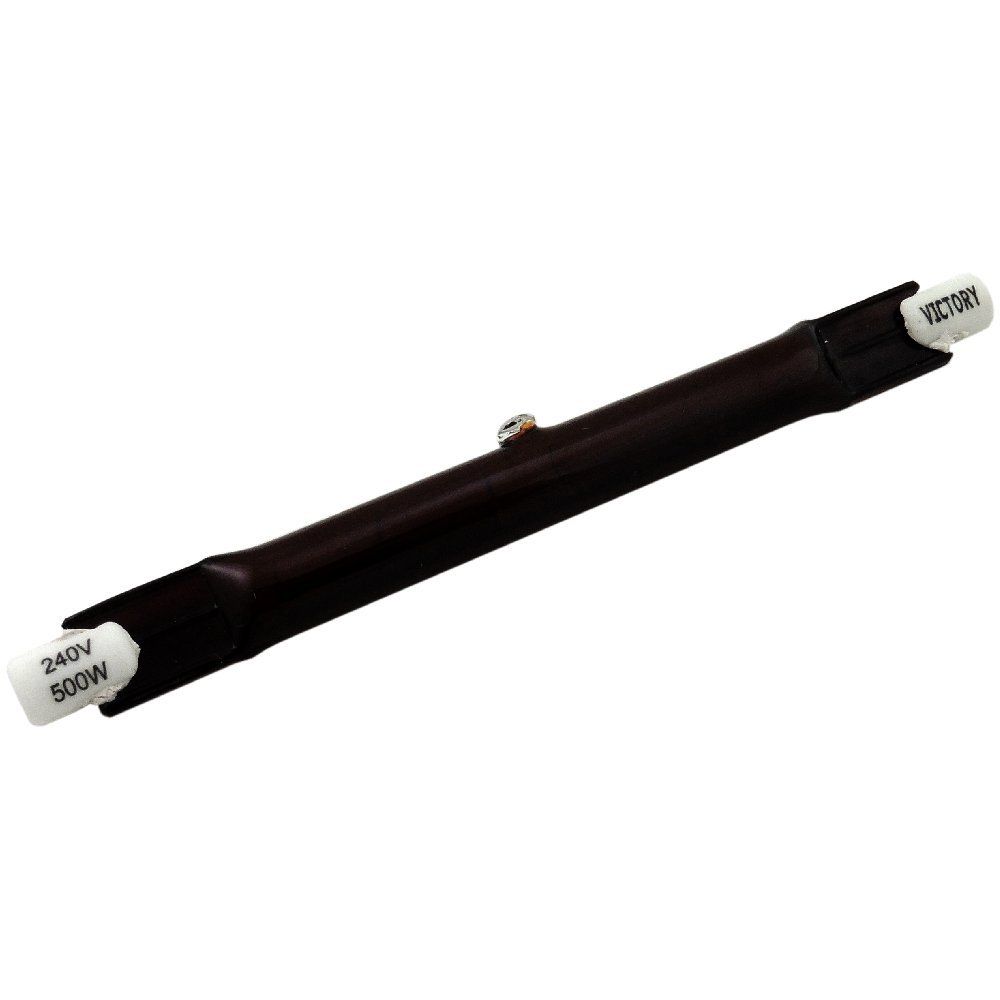
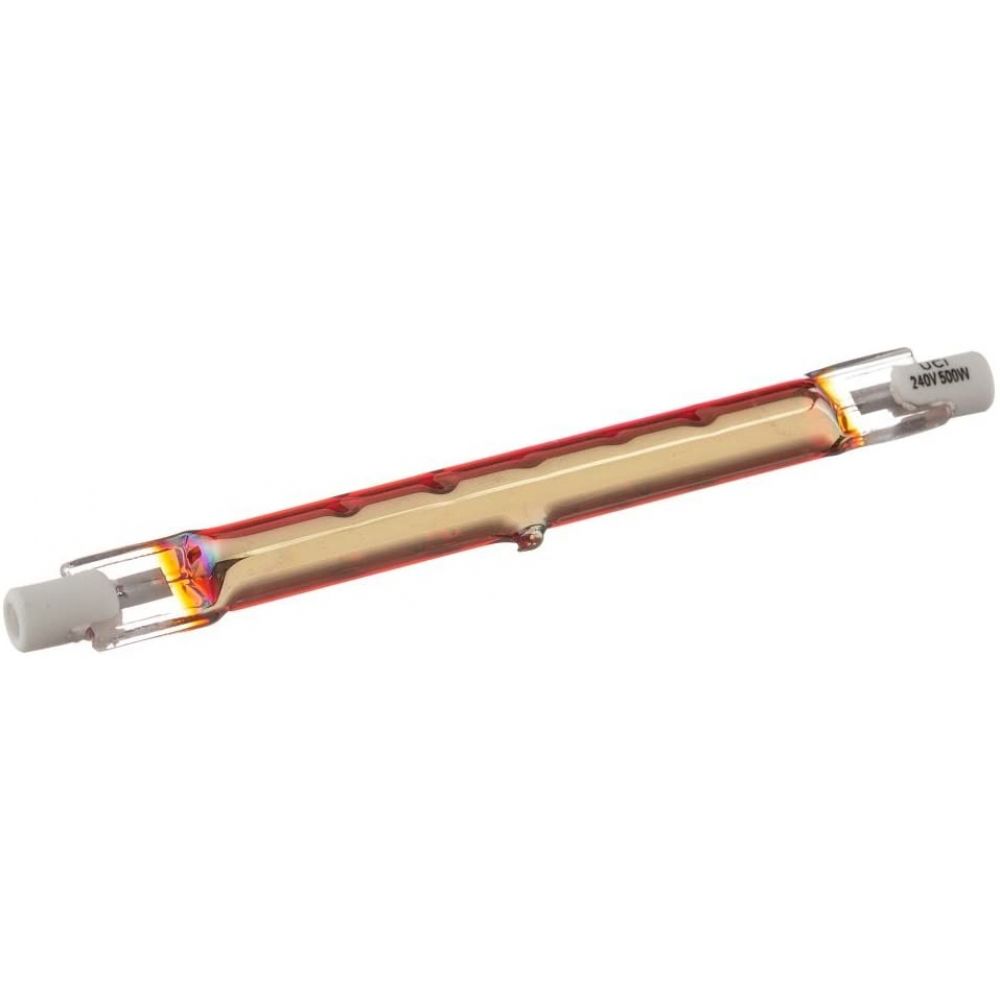
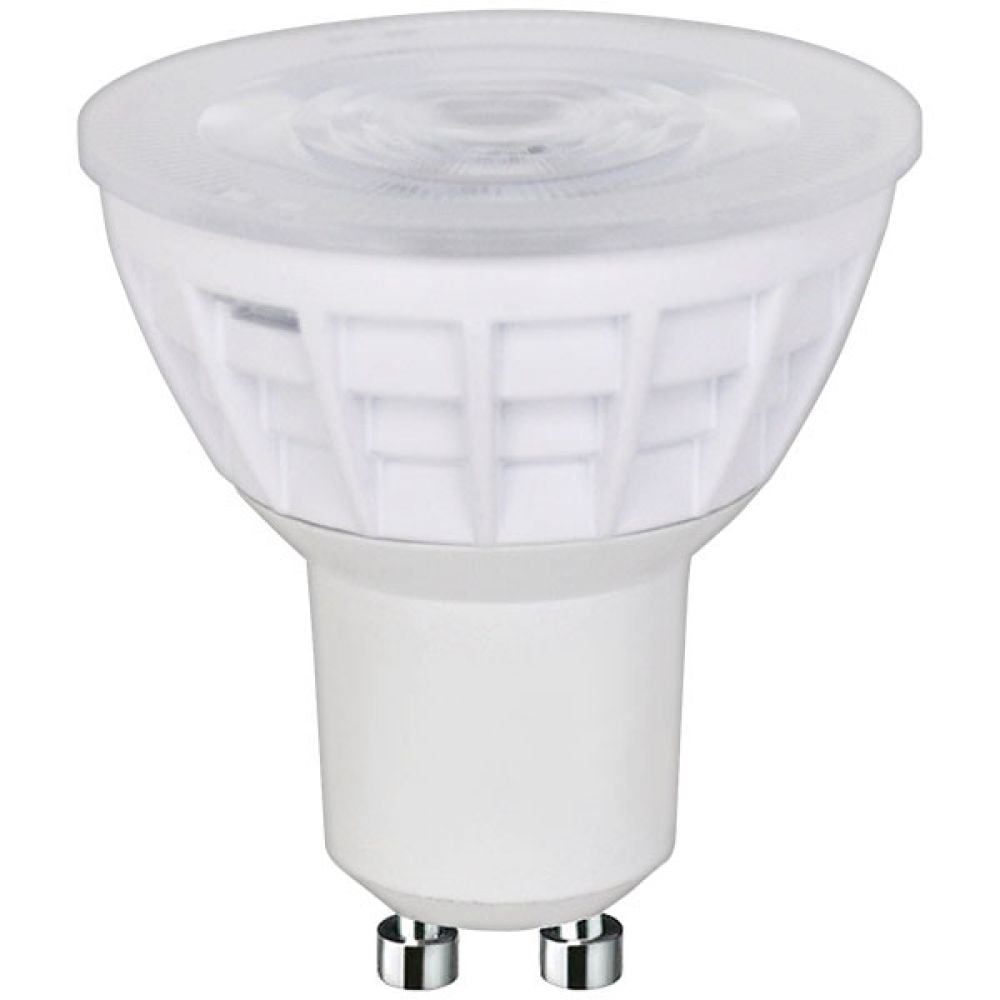
Low-voltage halogen light bulbs are set to be banned under draft legislation from the European commission.

Under Ecodesign legislation, ‘poor performing’ 12V MR16s will be phased out next year. Better performing versions, including those with infra-red coatings will follow by 2016.

The phase-out is part of the Ecodesign legislation which also put paid to the 60W incandescent lamp late last year.

The draft documentation for the publication will be published shortly but lighting designers and manufacturers are said to be concerned by the restrictions that will be imposed by the ban.

This news follows major manufacturers bringing out new high powered LED MR16 bulbs designed to replace power hungry halogen light bulbs - Click Here To View!

Source@ Lighting.co.uk.

Light therapy ‘can slow dementia’

Dementia could be slowed significantly by treatments which reset the body’s natural clock, researchers have said.

The Dutch team used brighter daytime lighting – with or without the drug melatonin – to improve patients’ sleep, mood and cut aggressive behaviour.

It concludes that these can slow deterioration by 5% – which a UK specialist said meant patients living in their own homes for months longer.

The study appears in the Journal of the American Medical Association.

“If someone could be kept at home for an extra six months, rather than placed in a care home, there are huge personal and social benefits

Dr Michael Hastings
MRC Laboratory for Molecular Biology, Cambridge
 

The disruption to the body’s circadian rhythm – the natural cycle that governs sleep and wakefulness – can be one of the most difficult of dementia symptoms for carers to cope with.

It can mean that people with the illness can be asleep during the day, but fully awake for periods during the night.

Other studies have suggested that the use of bright room lighting and melatonin can help adjust the “clock”, and the researchers from the Royal Netherlands Academy of Arts and Sciences in Amsterdam managed to recruit 189 care home residents to take part in an unique trial.

Six of the care homes taking part had lighting installed, and this was turned on between 9am and 6pm every day.

Some of the patients, most of whom had some form of dementia, received melatonin, a naturally-occurring hormone, and their progress was then monitored for at least the next year.

Those who had melatonin, but no extra lighting, had better sleep patterns, but tended to be more withdrawn and have a worse mood.

However, patients having melatonin and bright light together managed to avoid these mood problems.

Even having the light without melatonin slowed “cognitive deterioration” by 5% compared with those homes which did not install brighter lighting, and depressive symptoms fell by 19%.

‘Spectacular’

The study authors said that care homes should consider introducing the lights for their residents with dementia.

Dr Michael Hastings, from the Medical Research Council Laboratory for Molecular Biology in Cambridge, and himself a researcher into circadian rhythms and Alzheimer’s disease, said the study results were “spectacular”.

“Although 5% may not sound like a huge amount, it compares well with treatments such as Aricept designed to slow the progression of the illness.

“Over the course of Alzheimer’s, it could represent six months, and you have to remember that the light therapy is completely non-invasive, and melatonin is a very gentle drug.”

He said that sleep disturbances were often the “final straw” for relatives trying to cope for people with dementia.

“You can have a situation where someone is asleep for part of the day, then at 3am will be awake, wandering around the house, turning the gas on. Relatives can manage quite a few of the symptoms of mild or moderate dementia, but this can be too much.

“It’s a crunch issue, and if someone could be kept at home for an extra six months, rather than placed in a care home, there are huge personal and social benefits.”

He added that since circadian rhythm disruption was a feature of other neurological diseases, such as Huntington’s and Parkinson’s, there might also be an application for the therapy elsewhere.

Source: BBC News

Daylight energy saving bulbs and tubes

New Products Added to Lamps2udirect.com

Image


Hello………Just an update as to what new products we have added to our site in the last week.

Its hard to keep up with new LED bulb alternatives, as well as old favourites we have managed to get on site -


New Megaman Crown Silver LED Light bulbs – Click Here To View


BELL 60 watt ES-E27 Antique Period Lantern Light Bulb – Click Here


5 Metre LED Strips - Various colours – IP65 12 volt LED Tape – Click Here To View


New High Powered Dimmable Sunstar LED GU10 Lamp – Click Here To View


We will do our best to keep you updated! Please email us anytime should you require any further information – sales@lamps2udirect.com.


Smilight tubes, Smilight Tubes, Diplomat Tubes – For MFI, Howdens fitted kitchens, All currently in stock – http://www.lamps2udirect.com/pages/browse-More-Lamps2udirect.php/Fluorescent_Tubes/Smilight_Tubes/96/3

More Lighting Lighting News!

Derbyshire to turn off 40,000 street lights at night


Related Stories

About 40,000 rural street lights in Derbyshire are to be switched off after midnight to help cut carbon emissions.

The county council move is part of a scheme to save about £400,000 a year in energy bills.

The Conservative-led council said 69% of those surveyed supported the scheme, but a Labour spokesman said opposition was still high.

The authority said lights would not be turned off in town centres.

A total of 842 people responded to the survey on plans to turn off almost half of the county’s rural street lights between midnight and 05:00.

‘Main offenders’

But Labour spokesman Helen Clark, from Erewash, said: “It is a toxic cocktail – cutting street lights at the same time as cuts to frontline policing – it makes people feel unsafe.”

In November a candlelight vigil was held in Borrowash to oppose the cuts.

Simon Spencer, cabinet member for highways and transport, said: “We’re committed to cutting our carbon emissions by 25% by 2014/15 and street lighting is one of the main offenders.”

The council will carry out local risk assessments before the change is made.

Source: BBC News

www.lamps2udirect.com – Specialists in the supply of all types of lighting, including Energy Saving LED Light Bulbs, Fluorescent Tubes, Outdoor and Garden Lighting. Streetlights

Energy Saving Lighting – FAQ

Image

We answer some of the common queries – and dispel some popular myths – about energy-saving lightbulbs. Mostly, we’re talking about CFL (compact fluorescent) bulbs unless we specify otherwise.


Myths


Q. Doesn’t switching lights on and off use more energy than leaving them running?


A. No. Switching on an energy saving bulb only uses the same amount of power as leaving it on for a minute or two. Turning the bulb on and off repeatedly may shorten its life, but normal household use shouldn’t cause any problems. In fact, Energy Saving Trust Recommended bulbs are tested through thousand of cycles of switching.


Q. Don’t energy-saving lightbulbs take a long time to light up?


A. Originally they did, but most modern energy saving bulbs take little more than a few seconds to warm up to full brightness.


Q. Producing an energy-saving bulb must take more energy in the first place than making a standard bulb. At the end of the day, doesn’t that make it inefficient?


A. An energy saving bulb may indeed take more energy to make than a traditional bulb. But the energy saved by the bulb over its lifetime far outweighs this energy consumption. This applies even more to LED lighting where bulbs can last for 50,000 hours, 50 times as long as incandescent bulbs.


Q. Don’t traditional bulbs give a better quality of light?


A. The light quality of CFLs and LEDs does vary.  If you want a light that looks the same as a traditional bulb, buy a “warm white” or “soft white” bulb, with a Colour Rendering Index (CRI) of at least 0.8.  You should find the CRI somewhere in the small print on the packaging.


Energy efficiency


Q. Are halogen bulbs more efficient than traditional bulbs?


A. Halogen bulbs are slightly more efficient than traditional bulbs, and most domestic halogens have a lower power rating (typically 20W-50W for halogen bulbs compared with 40W-100W for traditional bulbs). However, rooms lit with halogen bulbs usually have more fittings than rooms lit with traditional bulbs or energy saving bulbs. So they will use more energy. If you have halogen lighting in your home you can buy Energy Saving Trust Recommended halogen bulbs. To save much more energy, replace halogens with the new generation of LED lamps.


Q. Lots of my lights have dimmer switches. Can I fit them with energy saving bulbs?


A. Most energy-saving bulbs aren’t fully compatible with dimmer switch circuits at the moment. However a growing range of dimmable CFLs is emerging to address this problem. There are also energy-saving bulbs that can be used with ‘staged dimming’. This requires a special sort of dimmer with three separate settings – high, low and off.


Q. Is the government really banning traditional incandescent bulbs?


A. In effect, yes. The government, energy suppliers and many major UK retailers have lead a voluntary initiative to phase out incandescent light bulbs, where there is a suitable low energy replacement. The UK voluntary phase-out is now being followed up by legal restrictions on bulb sales across Europe.


Q. Don’t CFLs contain mercury? And isn’t that bad for the environment?


A. Yes, CFL bulbs contain  tiny traces of mercury. However in the long term, they will reduce mercury pollution. This is because burning fossil fuels like coal is the biggest source of mercury in the air. Because energy saving bulbs use 80% less electricity than a traditional bulb, this means far less mercury overall.


Q. How can I recycle my energy saving light bulbs?


A. Energy-saving light bulbs are part of the Waste Electrical and Electronic Equipment (WEEE) initiative. ( Find out more about WEEE.) This means retailers must provide information to the public on how they can be recycled. Alternatively, contact your local authority to see whether they recycle energy saving light bulbs. If you don’t know who your local authority is, check at Directgov. You can also find out more about recycling energy saving light bulbs at Recolight.co.uk


Questions about low-energy lighting


Low energy lights work in a completely different way to traditional lighting, and this has a number of implications. Obviously, the main one is that they use less electricity to produce the same amount of light, but some of the other differences are less helpful.

Here are some of the main concerns that have been raised about CFLs and LEDs, the two main types of low-energy lighting:


Q. Are they as bright?


A. If you buy the right low energy bulb, it will be just as bright as the one you’re replacing. Find out more about choosing bulbs of the right brightness.


Q. Don’t they take ages to get up to full brightness?


A. All CFLs and other fluorescent tubes take some time to reach full brightness after they are switched on. However, some are much better than others. If you choose an Energy Saving Trust Recommended bulb, you can be assured that it meets our strict criteria on lighting up period, as well as all the other standards we require.


LEDs reach full brightness just as quickly as old-fashioned bulbs. If you want instant full brightness everywhere in your house, then you could consider LEDs throughout. LEDs for standard light fittings are still expensive and not widely available, but prices are expected to come down.


Q. Do they still give off a harsh light?


A. When buying any low-energy light, you have a choice about the quality of light it will produce. This is mainly to do with the colour of the light – when we buy a white light bulb we don’t actually want pure white light, and we would be disappointed if that was what we got. Find out more about light quality and colour.


Q. Is it true that they contain poisonous chemicals?


A. CFLs contain tiny amounts of mercury. This cannot possibly harm you while the light is working. Even if you break the bulb in your house, the amount of mercury that can escape is tiny and not considered a hazard. Nevertheless, we would recommend that you clear up carefully after breaking a CFL. Like all electronic appliances, CFLs should be disposed of by taking to an approved recycling point. LEDs do not contain mercury though, as with all electronic appliances, they should be recycled at an approved facility.


Q. Can you see these lights flicker?


A. No, you can’t. Unless you’ve got a really ancient CFL that looks like an old jam jar, your CFL will be turning on and off about 50,000 times a second. This is about 1,000 times faster than the human eye can recognise.


Q. I’ve heard that if I use efficient lights, they will give out less heat and I will have to use my central heating more


A. This is actually true, but the effect is quite small. Most of the energy from lighting in UK homes does not contribute to space heating – it is either emitted at times when heat isn’t needed, or it goes straight out of the windows, or it leads to overheating and so doesn’t save fuel.


Nonetheless in all our cost and energy saving figures for lighting, the Energy Saving Trust have taken account of this “Heat Replacement Effect”. We assume that you’ll pay a little bit more for heating, at the same time as you pay a lot less for lighting.


Q. Have they banned traditional light bulbs?


A. Old-fashioned GLS light bulbs are being phased out across the European Union and in many other countries. In the UK, the government has acted ahead of EU legislation, and most types of GLS bulb are no longer produced. Some may still be available in shops for a while until existing stocks run out.


All types of halogen bulb are still being manufactured, though there are plans to phase out the least efficient models.


CLICK HERE – To view energy saving fluorescent Bulb

CLICK HERE – To view energy saving LED Light bulbs


 Source – Energy Saving Trust

News & Offers From Lamps2uDirect.com

Image

Our first post offering our latest offer and breaking news from the lighting industry!

Philips Imageo Candle Kit

Now only £24-00 including VAT – Click Here To View!

 Osram to Cut 10% of German Jobs on Slowing Demand for Non-LEDs

Osram AG, the lighting business of Siemens AG (SIE), will cut about 10 percent of its employees in Germany as demand for traditional bulbs declines.

About 850 jobs will be cut through 2014, with as many as 200 additional employees moving to Siemens, Osram said in a statement today. Osram has more than 10,000 employees in the country.

“The future lies in LED and we will actively drive this structural change,” Wolfgang Dehen, chief executive officer of Osram, said in the statement. “That’s why it is important to create clearness for our employees, early on and in an open manner.”

Light-emitting diodes are taking market share from traditional light bulbs as consumer awareness for lower-energy products rises and legislation to cut energy spending takes effect. Siemens AG, Europe’s largest engineering company, shelved plans for an initial public offering of Osram on Sept. 14, following a slump in global equity markets.

Source: Bloomberg.

Welcome To Our New Blog

2012 Is now well under way, and as much as we love to complain about the weather, most of us have been doing ok in the U.K compared to last year!

The snow really had an effect on business as well as peoples personal lives as schools were shut across the Country. Have I just given it the kiss of death?

This blog has been set up to increase communication with Lamps2udirect.com customers, as well as people who need help/advice (On Lighting Only Please!) and people who are just bored and want something to read.

We would appreciate your comments on how we can improve our service and of course appearance on the web. We also like (Prefer) positive feed back, so please do not be shy!

All of our order confirmations will invite you to give us your views and opinions, so if you have some time, and have been impressed with our site, or even unimpressed; please let us know.

We will keep this blog updated as often as possible to advise you of any vital lighting information, and of course, more importantly, special offers!

As this is our first blog, we want to keep it short and sweet, so will not fill your heads with too much jargon just yet! So, step right up people and be the first to comment on our blog……Please be nice!!

www.lamps2udirect.com – Specialists in the supply of all types of lighting, including Energy Saving LED Light Bulbs, Fluorescent Tubes, Outdoor and Garden Lighting.